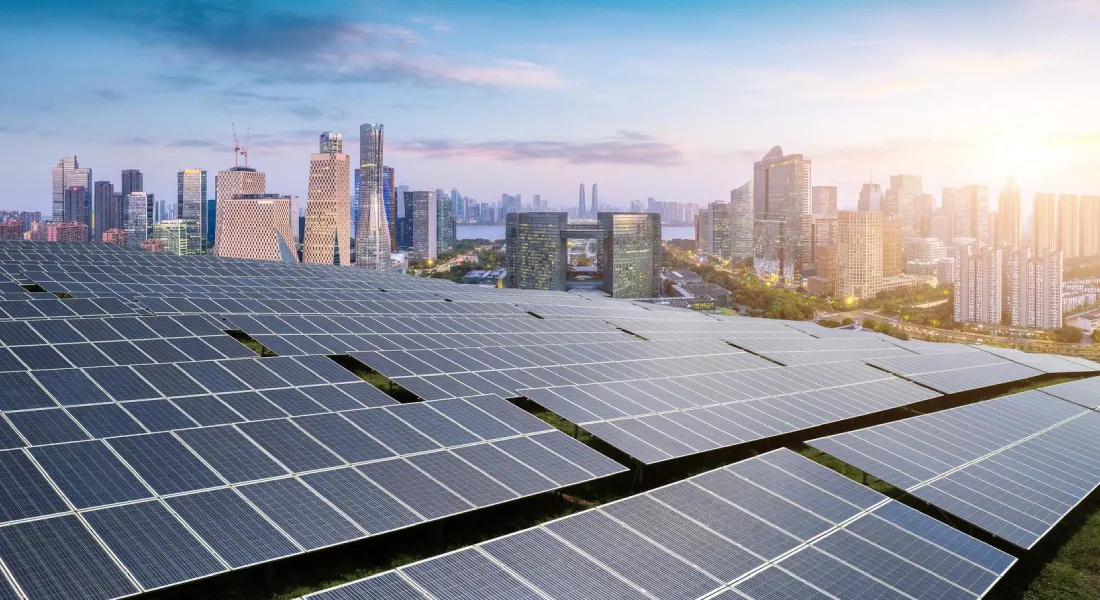
Powering Homes with Solar Energy
The world is shifting towards clean energy solutions, and solar power is leading the way. With rising electricity costs and growing concerns about the environment, homeowners are now looking for efficient and cost-effective alternatives to power their homes.
Solar energy is an abundant and sustainable source of power that can generate electricity for an entire house. It works by converting sunlight into usable electricity through solar panels, reducing dependency on traditional power grids. The demand for renewable energy is increasing as more people recognize the long-term benefits of switching to solar solutions.
Thinking about solar? | Get a free consultation! 📞 Call us at +91 98703 93898
Installing a solar system not only cuts down monthly electricity bills but also offers energy independence. With advancements in solar technology, homeowners can now store excess energy in battery systems, ensuring uninterrupted power supply even during cloudy days or nighttime.
Switching to a solar-powered home is not just about savings—it’s an investment in a greener and more sustainable future. As governments worldwide promote solar incentives and rebates, now is the best time to transition to renewable energy solutions and take control of your home’s electricity needs.
Understanding Solar Power for Home Use
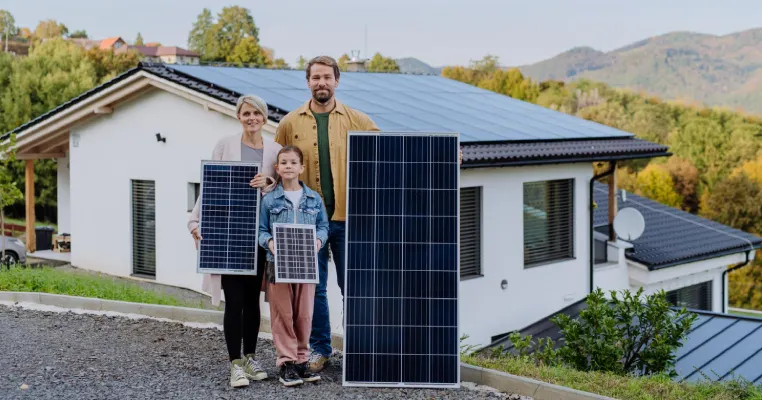
Solar energy is one of the most reliable and sustainable sources of electricity for homes. It works by converting sunlight into electricity using solar panels. These panels absorb sunlight and generate direct current (DC) electricity, which is then converted into usable alternating current (AC) by an inverter. This clean energy can power household appliances, lighting, and more.
Key Components of a Solar System
- Solar Panels – These are the most important part of a solar system, capturing sunlight and turning it into electricity.
- Inverter – Converts the DC power generated by panels into AC electricity, making it compatible with home appliances.
- Batteries – Store excess solar energy for use at night or during power outages, ensuring uninterrupted electricity.
Factors Affecting Solar Power Generation
- Location: The amount of sunlight a home receives depends on geographic location. Areas with more sun exposure generate more power.
- Weather Conditions: While solar panels work even on cloudy days, direct sunlight produces the highest efficiency. Rain can clean panels, but prolonged cloudy weather can reduce output.
- Panel Efficiency: The quality of solar panels impacts how much power they generate. High-efficiency panels can produce more electricity in less space.
- Roof Angle and Shade: A properly positioned solar system maximizes energy production. Shade from trees or buildings can lower efficiency.
A well-designed solar system ensures homeowners get maximum savings and energy independence, making it a smart investment for a sustainable future.
How Many Solar Panels Are Needed to Power a House?
Determining the number of solar panels required for a home depends on energy consumption, panel efficiency, and available roof space. A properly sized solar system ensures maximum savings and energy independence.
Factors Determining Panel Requirements
- Energy Consumption – The higher the electricity usage, the more solar panels needed. An average home uses 500-1500 kWh per month.
- Solar Panel Efficiency – High-efficiency panels generate more power in less space, reducing the total number of panels required.
- Sunlight Availability – Homes in sunny areas need fewer solar panels compared to regions with frequent cloud cover.
Energy Consumption Calculations
- If a home consumes 900 kWh per month, it needs around 30 kWh per day.
- A standard solar panel produces 300-400W per hour, translating to 1.5 kWh per day per panel.
- To meet daily energy needs, a home would require 20-25 solar panels.
Roof Space & Efficiency Considerations
- Available roof space determines how many solar panels can be installed.
- Shading from trees or buildings can reduce power generation, so placement is crucial.
- Panel orientation and tilt affect energy output, requiring careful planning.
A well-designed solar system ensures optimal electricity production, reducing dependence on the grid and lowering energy bills.
Notes ✨ : Best Locations for Solar Panels to Maximize Sunlight Exposure
Types of Solar Panels for Homes
When choosing a solar power system, homeowners must decide between grid-tied, off-grid, or hybrid systems. Each type has unique advantages, limitations, and suitability based on energy needs and location.
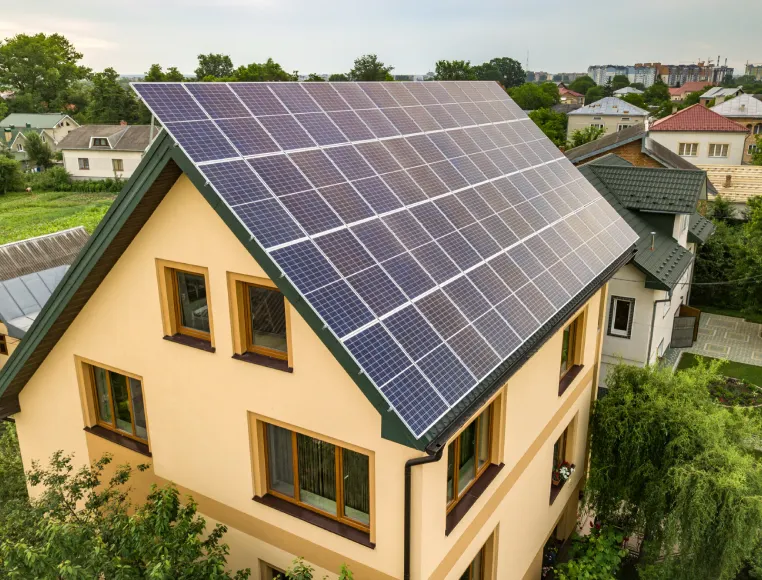
Powering a brighter future with solar!
1. Grid-Tied Solar System
A grid-tied system is directly connected to the utility grid, allowing homeowners to use solar energy while also drawing power from the grid when needed.
✅ Benefits:
- Lower upfront costs as no battery storage is required.
- Excess electricity can be sent back to the grid through net metering, reducing bills.
- Reliable power supply, even during low sunlight periods.
❌ Limitations:
- Does not work during power outages unless combined with a battery backup.
- Dependent on the grid, reducing energy independence.
2. Off-Grid Solar System
An off-grid system operates independently from the utility grid, relying on solar panels and battery storage for all energy needs.
✅ Benefits:
- Complete energy independence from the grid.
- Perfect for isolated regions lacking grid connectivity.
❌ Limitations:
- Higher costs due to the need for large battery storage.
- Requires careful energy management to avoid power shortages.
3. Hybrid Solar System
A hybrid system combines both solar panels and battery storage while remaining connected to the utility grid.
✅ Benefits:
- Stores excess energy for use during power outages.
- Reduces grid dependency while offering backup power.
❌ Limitations:
- More expensive than grid-tied systems due to battery costs.
Choosing the right solar system depends on energy needs, location, and budget, ensuring an efficient and cost-effective solution.
Can Solar Power Run an Entire Home 24/7?
Yes, a well-designed solar power system can run a home 24/7, but it requires battery storage and smart energy management. Since solar panels generate electricity only during the day, a reliable backup solution is necessary for nighttime and cloudy days.
Role of Battery Storage Systems
Solar batteries store excess solar energy produced during the day for use at night or during low sunlight conditions. Lithium-ion batteries are the most efficient, offering:
- Uninterrupted power supply even when the sun isn’t shining.
- Reduced reliance on the grid, increasing energy independence.
- Long lifespan and high efficiency compared to traditional lead-acid batteries.
Notes ✨ : Tips to Maintain Rooftop Solar Panels in Winter
Energy Backup Options During Night/Cloudy Days
- Battery Storage – Provides stored energy when solar generation is low.
- Grid Connection (for Grid-Tied Systems) – Homeowners can draw power from the utility grid when solar energy is insufficient.
- Hybrid Systems – Combine solar panels, battery storage, and grid access, ensuring 24/7 energy availability.
How Net Metering Helps
For grid-tied homes, net metering allows homeowners to export excess electricity to the grid during the day and use credits to draw power when needed. This minimizes dependency on battery storage, making solar energy more cost-effective.
With the right combination of solar panels, batteries, and net metering, homeowners can enjoy round-the-clock power, reducing electricity bills and enhancing energy security.
Costs and Savings of Running a Home on Solar
Investing in solar power involves an initial upfront cost, but the long-term savings on electricity bills make it a highly cost-effective solution. Understanding the cost breakdown, incentives, and ROI helps homeowners make an informed decision.
Upfront Costs vs. Long-Term Savings
The cost of a solar power system depends on factors like system size, panel efficiency, and battery storage.
💰 Upfront Costs Include:
- Solar panels (the main component).
- Inverters and batteries (for energy conversion and storage).
- Installation and maintenance costs.
💡 Long-Term Savings:
- Significant reduction in electricity bills, often up to 80-90%.
- Low maintenance costs as solar panels have a lifespan of 25+ years.
- Protection from rising energy prices, ensuring stable costs over time.
Government Incentives and Tax Benefits
To promote solar adoption, governments offer several financial incentives:
✅ Subsidies & Grants – Many countries provide up to 40% subsidy on installation costs.
✅ Tax Credits & Rebates – Homeowners can claim tax deductions on solar investments.
✅ Net Metering Benefits – Excess electricity sent to the grid earns credits, further reducing bills.
Return on Investment (ROI) Analysis
- Average Payback Period: 4-7 years, depending on energy usage and incentives.
- Total Lifetime Savings: A homeowner can save ₹10-30 lakhs ($12,000-$35,000) over 25 years.
- Higher Property Value: Homes with solar energy systems have better resale value.
With proper planning and investment, switching to solar power leads to significant long-term financial and environmental benefits.
Challenges of Powering a Home Entirely on Solar
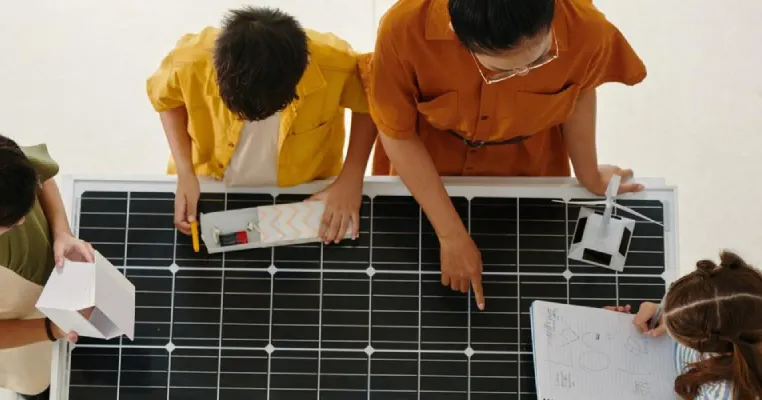
While solar power offers great benefits, there are several challenges homeowners may face when trying to power their home entirely using solar energy. Understanding these obstacles is crucial for making an informed decision.
Intermittency Issues
A key challenge is the inconsistent availability of solar energy. Solar panels only generate power when the sun is shining, which means energy production is affected by weather conditions and time of day. At night or during cloudy periods, battery storage or grid connection is required to maintain a continuous energy supply. Without proper storage systems, homeowners may face power shortages during extended periods of low sunlight.
Space Limitations
Installing enough solar panels to meet a home’s energy demands requires significant roof space. For large homes or homes in areas with limited rooftop space, it can be a challenge to install a sufficient number of solar panels. Additionally, shading from trees, buildings, or other obstructions can further reduce the efficiency of solar panels.
Initial Investment Concerns
The upfront cost of installing a solar power system can be a significant concern for many homeowners. While long-term savings on electricity bills are substantial, the initial investment required for panels, inverters, batteries, and Solar panel installation can be quite high. Despite incentives and subsidies, some homeowners may find the financial burden challenging, particularly without immediate payback.
By addressing these challenges with thoughtful planning and technology, solar power can still be a practical and economical solution for many homeowners.
Future of Solar Energy for Homes
The future of solar energy for homes looks promising, with continuous advancements in technology and integration with smart home systems making it more efficient and accessible.
Advancements in Solar Panel Technology
New developments in solar panel efficiency are allowing them to generate more power with less space. For instance, perovskite solar cells are emerging as a more cost-effective alternative to traditional silicon-based panels, offering higher efficiency and lower production costs. Additionally, bifacial panels that capture sunlight from both sides are improving overall energy production.
Smart Home Integrations with Solar
Smart home technologies are increasingly integrating with solar power systems, allowing homeowners to monitor and control energy usage more efficiently. With solar-powered smart thermostats, lighting systems, and appliances, homes will be able to maximize energy savings while reducing overall consumption. AI-driven solar energy management systems will predict energy needs and optimize panel output and storage, making homes more energy-efficient.
Long-Term Benefits for Homeowners
In the long run, solar energy will provide homeowners with greater energy independence and cost savings. As solar technology becomes more affordable and efficient, solar-powered homes will be more sustainable, reducing their carbon footprint and reliance on traditional energy sources. This shift to renewable energy will also increase property value, making solar an excellent investment for the future.
The future of solar energy for homes promises a more affordable, efficient, and sustainable way to power homes.
Solar power offers numerous benefits, making it an attractive option for homeowners looking to reduce their electricity bills, increase energy independence, and contribute to a cleaner environment. By harnessing the sun’s free energy, homeowners can enjoy significant savings over time, along with government incentives and tax benefits that help offset initial installation costs. Solar panels, battery storage, and smart home integrations all work together to provide a sustainable and efficient solution for powering homes.
However, while solar energy is a great option for many, it may not be practical for every homeowner. Factors such as roof space, location, and budget can influence the viability of switching to solar. Homes with limited sunlight exposure or small rooftops may struggle to generate enough power to meet their needs without large upfront investments.
In final thoughts, solar-powered homes are an excellent choice for those looking to reduce their carbon footprint and enjoy long-term savings. As solar technology continues to advance, it will become more affordable and accessible, making solar energy an increasingly practical option for homeowners worldwide. Investing in solar power is not just an investment in your home, but in a sustainable future.


