
Making the switch to renewable energy is one of the smartest decisions homeowners can make today. With electricity bills climbing higher each year and environmental concerns growing, more families are turning to clean power solutions for their homes.
Choosing the right solar panels can feel overwhelming with so many options available in the market. The difference between selecting an efficient system and settling for a mediocre one could mean thousands of dollars over the lifespan of your installation. That’s exactly why understanding what makes a quality panel matters so much.
Technology has advanced remarkably in recent years. Today’s photovoltaic systems deliver better performance, longer warranties, and more affordable pricing than ever before. Whether you have a small rooftop or acres of space, there’s a perfect solution waiting for you.
This comprehensive guide walks you through everything you need to know before making your purchase. We’ll explore different panel types, compare top-rated options, break down efficiency ratings, discuss warranties, and help you understand the true cost of going solar. You’ll also learn about installation requirements, available incentives, and financing solutions that make clean energy accessible.
At Solarsmiths, we’ve helped countless homeowners transform their energy consumption and slash their monthly bills. Our goal is simple: empower you with knowledge so you can make a confident, informed decision about your home’s energy future.
Why Solar Panels Matter in 2026
The landscape of home energy has shifted dramatically. Families across the country are watching their electricity bills surge month after month, with no relief in sight. Traditional power sources continue to strain household budgets while contributing to environmental challenges.
Energy independence has become more than just a buzzword. It represents freedom from unpredictable utility rate hikes and protection during grid failures. When you generate your own power, you take control of your energy future.
The environmental impact cannot be ignored either. Every kilowatt hour produced by your rooftop system reduces carbon emissions and helps combat climate change. A typical residential installation offsets the equivalent of planting hundreds of trees each year.
Financial incentives make this the perfect time to invest. The federal tax credit remains substantial, allowing homeowners to reclaim a significant portion of their installation costs. Many states offer additional rebates and programs that stack on top of federal benefits.
Perhaps most compelling is the return on investment. Modern systems pay for themselves within years, then continue generating free electricity for decades. Property values increase too, with studies showing homes equipped with renewable energy systems sell faster and command premium prices.
Understanding Solar Panel Types
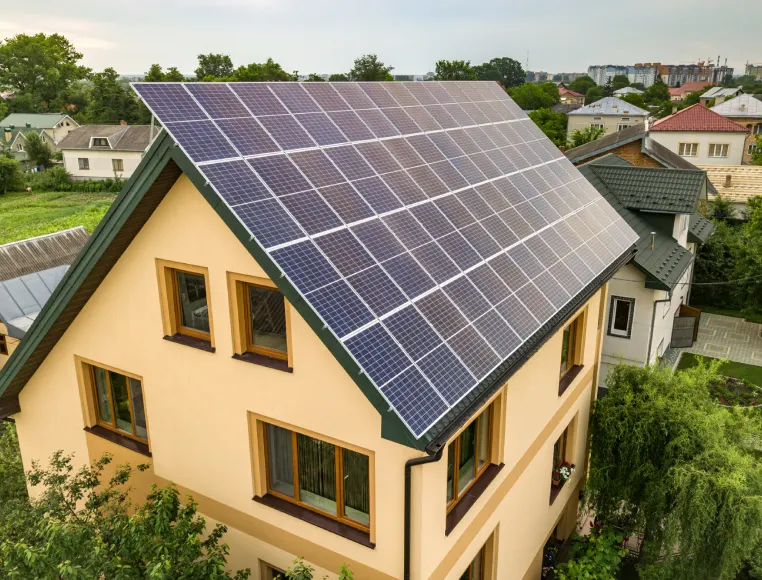
Not all panels are created equal. Understanding the three main types helps you match the right technology to your specific needs and budget.
Monocrystalline Solar Panels
Monocrystalline panels represent the premium tier of photovoltaic technology. These sleek, black modules are crafted from single silicon crystals, delivering the highest efficiency available today. They typically convert 19 to 23 percent of sunlight into usable electricity.
These panels shine when roof space is limited. Their superior performance means you need fewer modules to meet your energy goals. They also handle high temperatures better than alternatives and maintain strong output even in low-light conditions. The uniform black appearance appeals to homeowners who value aesthetics alongside performance.
The main consideration is cost. Premium technology comes with premium pricing, though the long-term benefits often justify the initial investment.
Polycrystalline Solar Panels
Polycrystalline panels offer an excellent middle ground. Made from multiple silicon fragments melted together, they feature a distinctive blue color with visible grain patterns. Efficiency ranges from 15 to 18 percent, which remains quite respectable for most residential applications.
Budget-conscious homeowners appreciate these modules. They deliver reliable performance at a lower price point, making clean energy accessible to more families. If you have adequate roof space and want to minimize upfront costs, this technology deserves serious consideration.
Thin-Film Solar Panels
Thin-film technology takes a different approach entirely. Photovoltaic material is layered onto flexible substrates, creating lightweight, adaptable modules. While efficiency sits lower at 10 to 13 percent, these panels excel in unique situations.
They perform better in partial shade and high heat compared to crystalline options. The flexibility opens possibilities for curved surfaces, RVs, and unconventional installations where traditional rigid panels won’t work.
Top 7 Best Solar Panels of 2026
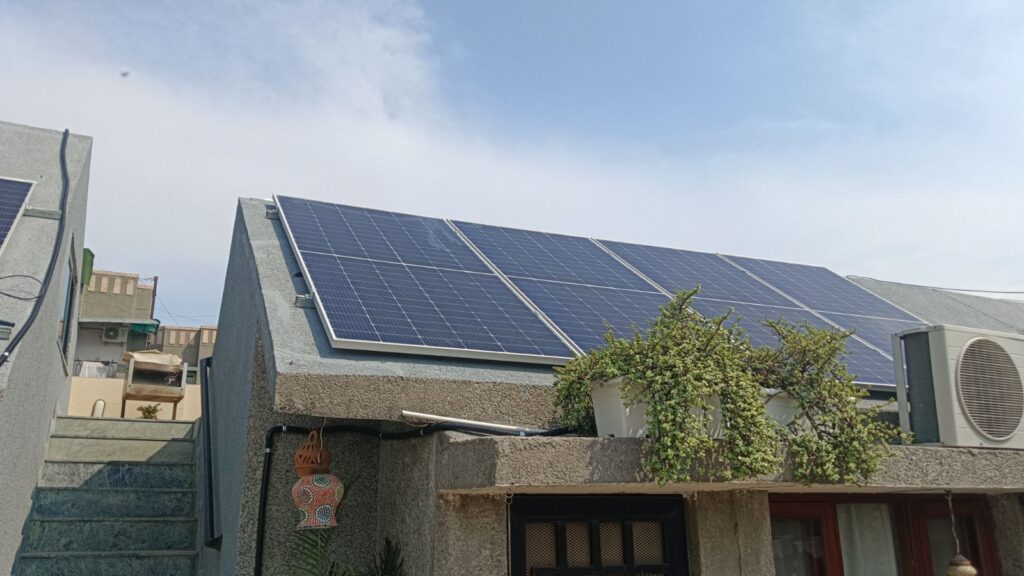
Selecting the right panel requires comparing key specifications and understanding how they align with your unique situation. We’ve evaluated the market leaders based on efficiency, durability, warranty coverage, and overall value. Here are the top performers that consistently deliver exceptional results.
Premium Efficiency Champion
When maximum output matters most, high-efficiency solar panels lead the pack. These industry-leading modules achieve an impressive 22.8 percent efficiency rating, converting more sunlight into electricity than any competitors. Each panel produces between 420 and 450 watts, making them ideal for homeowners with limited roof space.
The temperature coefficient of negative 0.26 percent per degree Celsius means they maintain strong performance even on scorching summer days. You’ll receive a 30-year performance guarantee alongside a 25-year product warranty, reflecting the manufacturer’s confidence in long-term reliability.
Expect to invest between three and three-fifty per watt. While premium pricing applies, the superior output and extended warranties deliver excellent long-term value. These panels suit anyone maximizing production from every available square foot.
Best Overall Value
The sweet spot for most homeowners combines solid performance with reasonable pricing. These residential solar panels achieve 20.5 percent efficiency while producing 370 to 400 watts per module. They represent the perfect balance that makes clean energy accessible without sacrificing quality.
A comprehensive 25-year performance warranty pairs with a 15-year product guarantee. The temperature coefficient of negative 0.35 percent per degree Celsius ensures consistent output across varying weather conditions. Pricing ranges from two-fifty to two-ninety per watt, making them an attractive option for families watching their budgets.
This option delivers the best return on investment for typical residential installations. You get proven reliability, strong warranties, and efficient production without the premium price tag.
Budget-Friendly Champion
Affordability doesn’t mean compromising on quality. Cost-effective panels provide an entry point into clean energy for budget-conscious families. With 18.2 percent efficiency and 330 to 360 watts of output, they still deliver meaningful electricity production.
The 25-year performance warranty matches premium competitors, though the product warranty spans 12 years. Pricing starts at just two dollars per watt, potentially saving thousands on your complete system. If you have adequate roof space and want to minimize upfront investment, this category deserves attention.
Maximum Power Output
Some situations demand the highest wattage available. High-wattage solar modules produce an astounding 450 to 500 watts each, reducing the total number of panels needed for your system. At 21.8 percent efficiency, they pack serious performance into each module.
Large energy consumers and homes with space constraints benefit most from this technology. The 30-year performance warranty and 20-year product coverage provide peace of mind. Pricing falls between two-eighty and three-twenty per watt. Fewer panels mean simpler installation and potentially lower labor costs.
Best Warranty Protection
Long-term security matters to many homeowners. The industry-leading warranty coverage option provides both 30-year performance and 30-year product guarantees. This comprehensive protection exceeds standard offerings by a significant margin.
These panels produce 380 to 410 watts at 20.9 percent efficiency. The temperature coefficient of negative 0.32 percent per degree Celsius ensures steady production. Investment ranges from two-seventy to three-ten per watt. The unmatched warranty makes this choice perfect for anyone prioritizing long-term protection and manufacturer support.
Best for Hot Climates
Extreme heat challenges panel performance. Specialized heat-resistant modules feature advanced cooling technology and superior temperature coefficients. At negative 0.24 percent per degree Celsius, they lose minimal efficiency as temperatures climb.
Producing 390 to 420 watts at 21.2 percent efficiency, these panels maintain strong output even during intense heat waves. The 25-year performance and 20-year product warranties provide solid coverage. Pricing sits between two-sixty and three dollars per watt. Homeowners in consistently hot regions see the most benefit from this specialized technology.
Best Aesthetics
Curb appeal matters to many property owners. Sleek all-black solar panels blend seamlessly with dark roofing materials, creating a premium appearance. The frameless design eliminates visible borders for a truly integrated look.
Performance doesn’t suffer for beauty. These modules achieve 20.3 percent efficiency and produce 370 to 400 watts. Standard warranties include 25 years for performance and 15 years for product defects. Pricing ranges from two-seventy to three-ten per watt. Choose these when visual integration matters as much as energy production.
“Investing in solar is not just spending money—it’s securing your future savings.“
Best Solar Options for Apartments in 2026
Solar power for apartments is evolving quickly in 2025. With advancements in rooftop solar technology, residents now have access to compact, efficient, and affordable solutions that fit perfectly into the space constraints of urban living.
Solar panel kits designed for balconies are among the most preferred solutions for sustainable energy.These lightweight panels can be mounted on railings or walls, making them ideal for apartments without rooftop access. They’re easy to install and provide clean, renewable energy right from your balcony.
For buildings with shared rooftops, community solar systems are an excellent choice. In this setup, a larger solar installation is placed on the rooftop, and the generated power is distributed among participating residents. This not only lowers costs but also makes green energy more accessible.
Another growing trend is portable solar units. Compact and easy to move, these generators are perfect for powering small appliances, handling emergencies, or taking with you when you shift homes.
Top solar options for apartment living in 2025:
- Balcony-mounted solar kits
- Shared rooftop community system
- Portable solar generators
At Solarsmiths.com, we provide apartment-focused solar solutions designed for maximum efficiency, minimal maintenance, and long-term savings—helping you make the most of your available space.
Key Factors to Consider When Buying Solar Panels
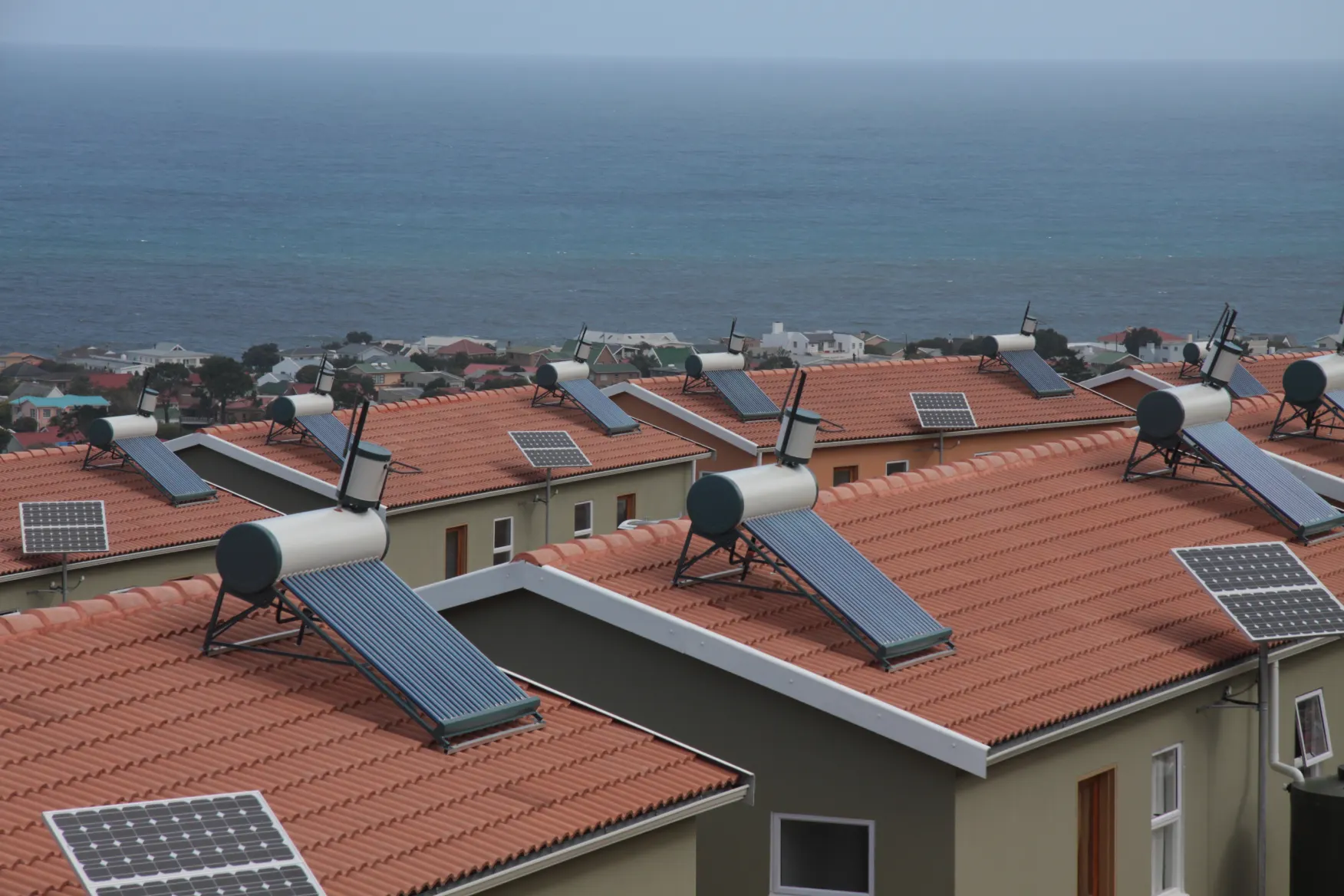
Making an informed purchase requires understanding the specifications that truly impact performance and value. These critical factors determine how well your system serves your needs for decades to come.
Efficiency Rating
Solar panel efficiency measures the percentage of sunlight converted into usable electricity. Modern modules typically range from 15 to 23 percent, with higher numbers indicating better conversion rates. This specification becomes crucial when working with limited roof space.
A panel with 22 percent efficiency produces significantly more power than a 16 percent model of the same physical size. However, higher efficiency usually commands premium pricing. Homeowners with ample roof area can often choose lower efficiency panels and simply install more modules to reach their production goals. The key is balancing your space constraints against your budget.
Real-world performance differs slightly from laboratory ratings. Factors like temperature, shading, and installation angle all influence actual output. Quality manufacturers provide realistic performance expectations based on typical conditions.
Power Output and Wattage
Each panel’s wattage rating indicates its maximum electricity production under ideal conditions. Current technology delivers anywhere from 330 to 500 watts per module. Calculating your needs starts with understanding your household consumption, typically measured in kilowatt hours per month.
Most families use between 800 and 1,200 kilowatt hours monthly. Dividing this number by average daily sunlight hours in your area, then accounting for system losses, reveals how many panels you need. Higher wattage modules reduce the total count required, potentially lowering installation complexity and costs.
Oversizing your system slightly provides buffer room for increased future consumption. Undersizing means continued reliance on grid electricity and reduced savings potential.
Warranty Coverage
Two distinct warranty types protect your investment. Performance warranties guarantee minimum output levels, typically 80 to 90 percent of original capacity after 25 to 30 years. Product warranties cover manufacturing defects and premature failures, ranging from 10 to 30 years depending on the manufacturer.
Reading warranty terms carefully prevents unpleasant surprises. Some coverage requires professional installation by certified technicians. Others exclude specific types of damage or environmental conditions. Understanding what’s covered, the claims process, and manufacturer stability ensures your protection remains solid throughout the system’s lifespan.
Cost Per Watt and Total Investment
The price per watt provides an apples-to-apples comparison between different options. Current market rates range from two to three-fifty dollars per watt for the panels themselves. Complete system costs include inverters, mounting equipment, wiring, and installation labor.
Total investment varies based on system size, equipment quality, and local labor rates. Understanding your return on investment timeline helps justify upfront expenses. Most residential systems pay for themselves within six to ten years through electricity savings, then continue generating free power for decades.
Financing options can spread costs over time, though interest charges reduce overall savings. Cash purchases maximize long-term financial benefits but require substantial upfront capital.
Durability and Temperature Coefficient
Panel construction quality determines longevity. Look for robust frames, tempered glass, and sealed junction boxes that withstand decades of weather exposure. Certification standards from organizations like IEC and UL verify products meet rigorous testing requirements.
The temperature coefficient reveals how heat affects performance. Panels lose efficiency as temperatures rise above 25 degrees Celsius. A coefficient of negative 0.26 percent means output drops by that amount for each degree of temperature increase. Lower coefficients indicate better heat tolerance, which matters significantly in warm climates.
Wind and snow load ratings ensure your installation survives extreme weather events. Coastal areas require enhanced corrosion resistance against salt exposure. Quality modules maintain performance despite challenging environmental conditions.
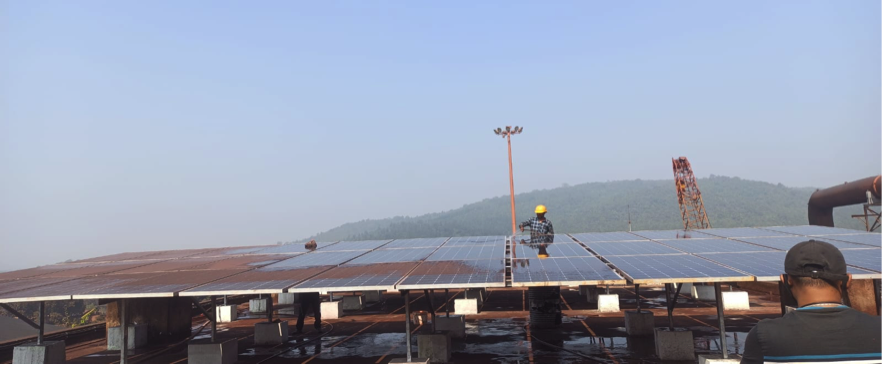
Solar Panel Installation Considerations
Choose a trusted solar panel installation company in Noida for your home or business.
Proper installation determines whether your system delivers its full potential. Several factors influence both feasibility and performance, starting with a thorough assessment of your property.
Roof Assessment
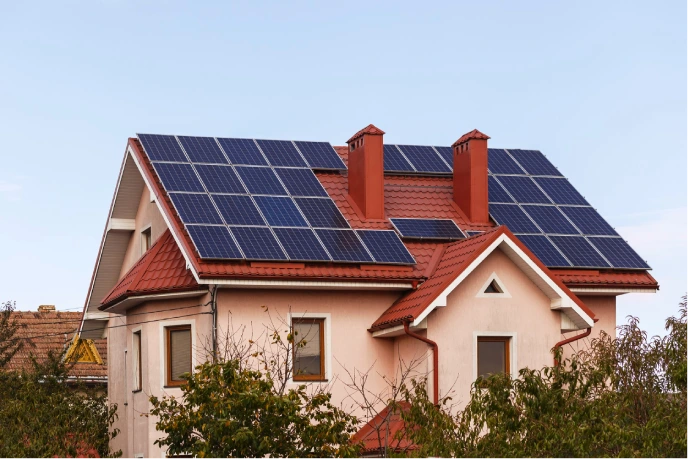
Your roof’s characteristics significantly impact system design. South-facing orientation captures maximum sunlight in the northern hemisphere, though east and west-facing installations remain viable alternatives. The roof pitch or angle affects how directly sunlight strikes the panels throughout the day.
Shading analysis identifies obstacles that block sunlight. Trees, chimneys, and neighboring structures cast shadows that reduce output. Even partial shading on a single module can impact the entire array’s performance, making this evaluation critical.
Roof condition and age matter tremendously. Installing panels on a roof nearing the end of its lifespan creates problems down the road. Removing and reinstalling a complete system to replace roofing adds significant expense. Most experts recommend addressing roof repairs or replacement before installation begins.
Different roofing materials require specific mounting approaches. Asphalt shingles, tile, metal, and flat roofs each demand specialized hardware and techniques. Structural integrity must support the additional weight, typically adding three to four pounds per square foot.
Professional Installation versus DIY
Professional solar installation ensures safety, code compliance, and optimal performance. Certified installers understand electrical systems, structural requirements, and local regulations. They carry proper insurance and licensing that protects homeowners from liability.
DIY installation might seem cost-effective but introduces serious risks. Electrical work on roof structures poses safety hazards. Improper installation voids manufacturer warranties and may violate building codes. Most utility companies require professional certification before approving grid connection.
At Solarsmiths, our NABCEP-certified technicians bring years of expertise to every project. We handle everything from initial design through final inspection, ensuring your system performs flawlessly from day one.
Permits, Regulations and Grid Connection
Installing renewable energy systems requires multiple approvals. Building permits ensure structural and electrical work meets local codes. Some jurisdictions require separate electrical permits. Homeowner associations often have aesthetic guidelines and approval processes.
Grid connection involves coordination with your utility company. Net metering agreements allow you to send excess electricity back to the grid in exchange for credits. Interconnection applications typically require technical specifications, system diagrams, and professional certification.
The timeline from permit application to system activation usually spans several weeks to a few months. Building departments review plans, schedule inspections, and issue approvals at various stages. Utility companies conduct their own inspections before authorizing grid connection. Planning ahead prevents frustrating delays.
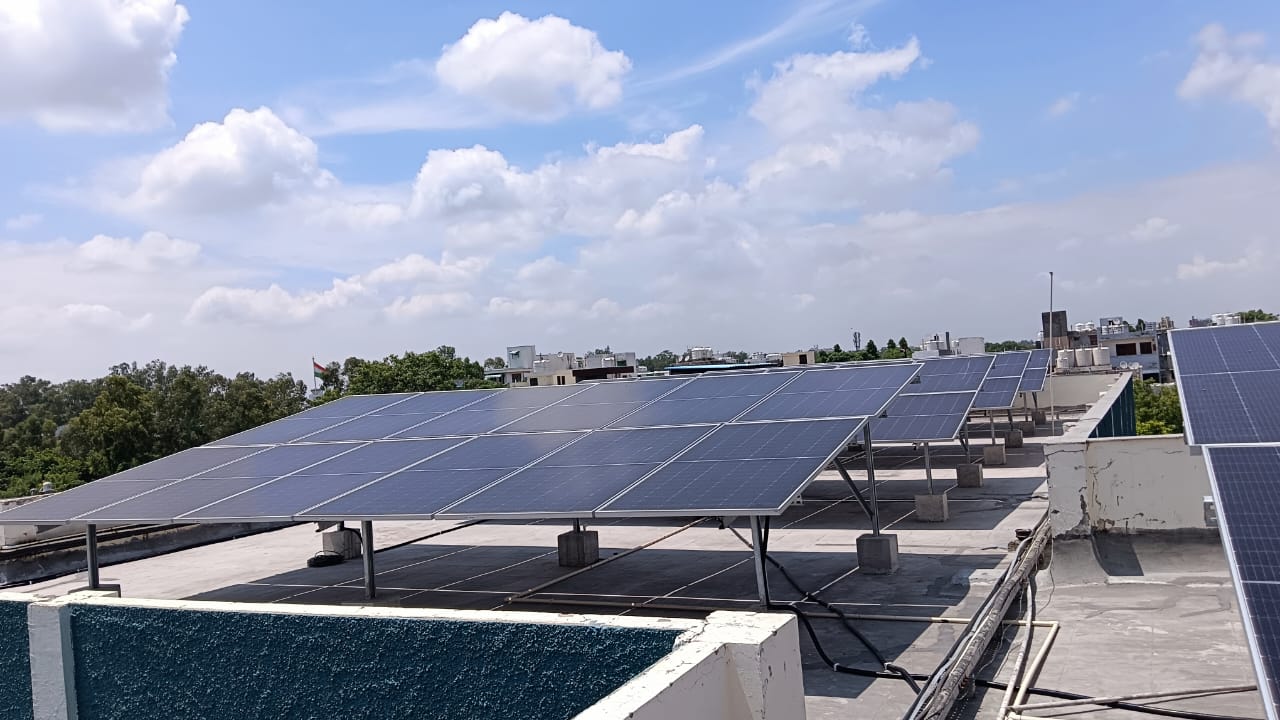
Financing Options for Solar Panels
Making clean energy affordable involves choosing the right payment structure for your financial situation. Multiple pathways exist to fund your installation, each with distinct advantages and considerations.
Cash Purchase
Paying upfront delivers maximum long-term savings.
Cash buyers avoid interest charges and own their systems outright from day one. You capture the full value of federal tax credits and any state or local incentives. Return on investment timelines typically span six to ten years, after which every kilowatt hour comes absolutely free.
The main barrier is capital availability. Complete systems require substantial investment, though the absence of ongoing payments means immediate electricity bill reduction translates directly to savings.
Solar Loans
Financing options spread costs over time while maintaining system ownership. Secured loans using home equity typically offer lower interest rates. Unsecured solar-specific loans require no collateral but may carry higher rates.
Monthly loan payments often equal or fall below previous electricity bills, creating immediate positive cash flow. You still qualify for tax credits and incentives. The total cost increases due to interest, but accessibility makes clean energy possible for families without large cash reserves.
Solar Leases and Power Purchase Agreements
Leasing arrangements eliminate upfront costs entirely. A third party owns and maintains the equipment while you pay monthly fees for the electricity produced. Power purchase agreements work similarly, with payments based on actual production rather than fixed lease amounts.
These options suit homeowners who want immediate savings without ownership responsibilities. However, you forfeit tax credits and incentives. Long-term savings remain limited compared to ownership. Contract terms typically span 20 to 25 years with buyout options at specific intervals.
Federal and State Incentives
The federal tax credit remains one of the most valuable incentives available. Current legislation allows you to claim a significant percentage of your total system cost as a tax credit. This directly reduces what you owe the IRS, providing substantial savings.
Many states offer additional rebates and programs that stack with federal benefits. Local utilities sometimes provide performance-based incentives or upfront rebates. Solar Renewable Energy Certificates in certain markets create ongoing revenue streams. Researching available programs in your area maximizes financial benefits. Application processes and deadlines vary, so acting promptly ensures you don’t miss valuable opportunities.
Ready to turn your rooftop into a source of income?
Contact
Solarsmith.com today for expert guidance, personalized solutions, and a smooth installation process. Let’s make the switch to solar—together.
Solar Batteries and Energy Storage
Capturing and storing excess electricity transforms how you use renewable energy. Battery storage systems have become increasingly popular as technology improves and costs decline.
During peak sunlight hours, your panels often produce more electricity than your home consumes. Without storage, this surplus flows back to the grid. Batteries capture that excess power for use after sunset or during cloudy periods. This capability provides genuine energy independence, reducing reliance on utility companies even further.
Backup power represents another compelling benefit. When grid outages occur, homes without batteries lose power despite having panels on the roof. Energy storage keeps essential appliances running during blackouts, providing peace of mind and continued comfort.
Modern lithium-ion technology dominates the residential market. These batteries offer excellent efficiency, long lifespans, and compact designs. Storage capacity measured in kilowatt hours determines how much electricity you can store. Most families need between 10 and 15 kilowatt hours for meaningful backup capability.
Adding storage increases your total investment substantially. However, time-of-use electricity rates make batteries financially attractive in many areas. You store cheap daytime solar power and use it during expensive evening peak hours. Smart energy management systems optimize when to store, use, or sell electricity back to the grid.
Battery warranties typically cover 10 to 15 years, guaranteeing minimum capacity retention. Integration with your existing system requires professional installation and specialized equipment. At Solarsmiths, we help you evaluate whether battery backup makes sense for your specific situation and energy goals.
Maintenance and Maximizing Solar Panel Performance
Keeping your system running at peak capacity requires minimal but important attention. Proper care ensures you receive maximum return on your investment for decades.
Regular Maintenance
Solar panel cleaning remains the most common maintenance task. Dust, pollen, bird droppings, and debris accumulate on the glass surface, blocking sunlight and reducing output. In most climates, rain provides adequate natural cleaning. However, dry regions or areas with heavy pollen may need occasional manual cleaning.
Using a soft brush or squeegee with plain water works best. Avoid harsh chemicals or abrasive materials that could scratch the glass. Many homeowners clean panels two to four times yearly, though frequency depends on local conditions.
Snow removal becomes necessary in winter climates. Most panels shed snow naturally due to their angled installation and smooth surface. Heavy accumulation may require gentle clearing with a roof rake designed for this purpose.
Visual inspections catch potential issues early. Look for cracks, discoloration, or loose connections. Check that mounting hardware remains secure and wiring shows no signs of damage. Professional maintenance services handle these tasks if you prefer expert oversight.
Inverter maintenance typically involves occasional filter cleaning and ensuring adequate ventilation. These critical components convert DC electricity from panels into AC power your home uses.
Performance Monitoring
Monitoring systems track your production in real time through smartphone apps or web portals. You can see exactly how much electricity your panels generate each hour, day, or month. This data reveals whether your system performs as expected.
Key metrics include total kilowatt hours produced, current power output, and efficiency comparisons. Tracking these numbers helps identify underperformance quickly. Sudden drops in production signal potential problems requiring attention.
Seasonal variations are completely normal. Winter months with shorter days naturally produce less than summer. Comparing your actual output against predicted performance for your location provides the most accurate assessment.
Most manufacturers provide performance guarantees. If your system consistently underperforms specifications, warranty coverage may apply. Documentation from your monitoring system supports any claims. At Solarsmiths, we help customers interpret their data and address concerns promptly, ensuring every system delivers its promised performance.


