

Solar battery storage has emerged as a contentious issue for renewable energy practitioners and homeowners alike. As more homes go solar, whether battery storage systems provide substantial value is a real challenge. With electricity bills rising and power grid reliability problems piling up, home energy storage technologies promise the ability to be energy independent and have access to emergency power in case of a grid outage. However, the considerable up-front cost of solar battery prices often leads homeowners to question if this investment is worth the money.
The technology for battery storage has significantly improved over the past few years, and lithium-ion systems provide increased capability and longer service life compared to previous models. This comprehensive assessment examines the functional benefits, costs, and considerations of solar battery systems. We will review return on investment timeframes and technical advancements and help you determine if solar energy storage is appropriate for your specific needs and circumstances.
Understanding Solar Battery Storage Systems
Solar battery storage systems hold excess power generated by your solar panels during days of excess sunlight, to be utilized when there is no sun. As opposed to traditional grid-merged solar installations that feed excess power back to the electric company, battery backup systems provide direct access to stored power in case of loss of power or peak-demand hours.
Current home energy storage solutions significantly draw on the use of lithium-ion technology, which is highly energy-dense and has a higher operating lifespan compared to their previous lead-acid counterparts. These systems perfectly complement the installed base of solar hardware using advanced inverters and monitoring systems.
The core components include:
- Battery cells grouped into modules.
- Battery management systems for safety and optimization.
- Inverters converting DC storage to AC household power .
- Monitoring software tracking performance and usage patterns.
Solar battery storage capacity gets measured in kilowatt-hours (kWh), establishing the total energy volume the system can retain. Most residential setups span from 10-20 kWh, adequate to operate critical appliances during prolonged blackouts or balance nighttime electricity usage.
Grasping load management proves essential, since battery storage systems function optimally when combined with energy-efficient appliances and smart home technologies that enhance power consumption schedules.
Financial Analysis: Costs and Savings

The solar battery cost constitutes the largest obstacle to widespread adoption, with complete systems spanning ₹8,30,000 to ₹16,60,000 before rebates. Installation expenses fluctuate significantly depending on system complexity, electrical modifications, and local labor pricing.
Current pricing breakdown:
- Battery units: ₹33,200-₹66,400 per kWh capacity
- Inverter and electrical components: ₹1,66,000-₹3,32,000
- Installation and permits: ₹1,66,000-₹4,15,000
- Monitoring and control systems: ₹41,500-₹1,24,500
But solar battery storage provides multiple financial benefits to improve overall economics. Time-of-use electricity rates allow residents to stock up power in cheap times and shed at expensive peak times. “In markets with high rate variations, monthly savings can reach ₹8,300-₹16,600.”
Net metering policy changes more and more favor battery storage systems. Utilities are slashing rates to compensate for excess solar production, making on-site storage preferable to selling electricity back into the grid. Residential energy storage systems get full retail value of electricity generated instead of wholesale payment.
Federal tax credits now provide 30% cost savings until 2032, greatly improving solar battery worth it calculations. Paired with state rebates and utility incentives, overall system prices can drop by 40-50% in favorable markets.
Backup power value is still difficult to quantify but provides significant peace of mind. Avoiding spoiled food, sustaining home security systems, and preserving comfort during outages creates real benefits that transcend mere cost calculations.
Payback times usually range from 7-12 years based on electricity prices, usage patterns, and available incentives. Buildings with high evening energy usage, frequent power outages, or unfavorable net metering policies see the quickest payback for solar energy storage investments.
Key Benefits of Solar Battery Storage
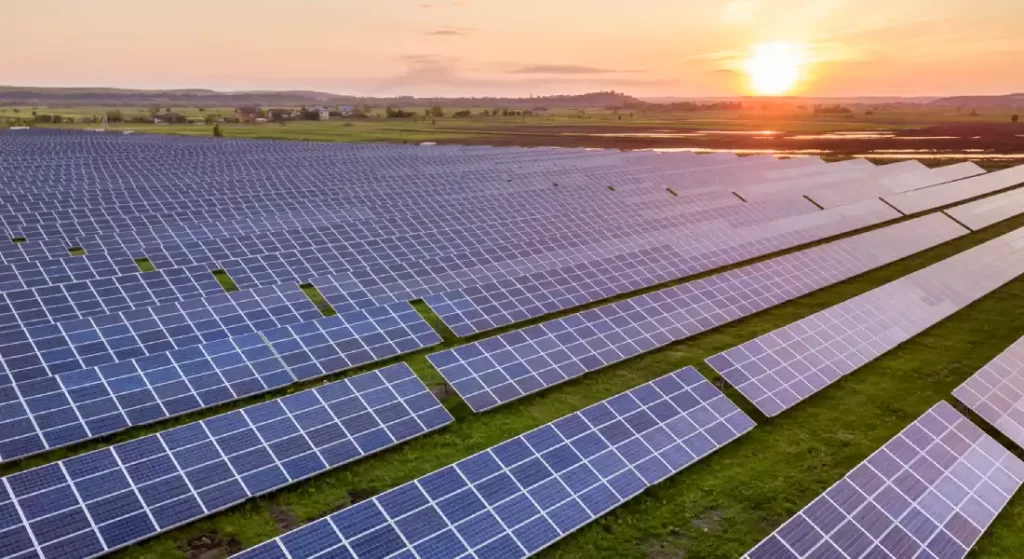
Solar battery storage systems have compelling benefits that extend beyond simple cost savings. Independence from the energy grid is the major motivation for most homeowners, reducing reliance on grid power and providing household power consumption control.
Backup power capacity ensures crucial systems remain running during disruptions. Refrigeration, lighting, communication equipment, and medical equipment continue operating when the grid goes down. Unlike generators, battery backup systems operate quietly and require no fuel or upkeep during emergencies.
Load shifting advantages maximize electricity expenses by storing energy in low-rate hours and discharging during peak rates. It is particularly useful in systems with time-of-use pricing schemes, where electricity prices during late afternoon and evenings far exceed overnight prices.
Grid stabilization is an evolving advantage as utilities recognize the value of distributed storage. Residential energy storage systems can provide grid services such as frequency response and demand response, which have the potential to generate supplemental income for involved homeowners.
Environmental benefits include optimizing the use of Solar energy and reducing fossil fuel dependence. Solar battery storage harvests excess clean energy that would otherwise be curtailed, improving overall system efficiency and environmental value.Value appreciation is a sign of increasing consumer demand for energy-resilient homes. Real estate research indicates houses with Solar Panel Energy storage systems sell for higher prices and in shorter times than similar properties without backup power functionality.
Technology integration facilitates advanced home automation and energy management. Advanced battery storage systems talk to intelligent appliances, electric vehicle charging points, solar for home solutions, and home energy management software to optimize overall household energy consumption patterns.
Potential Drawbacks and Limitations
Thinking about switching to solar? Schedule your free consultation now! | 📞 Call us at +91 98703 93898
Although having great advantages, solar battery storage has some challenges that homeowners have to consider carefully. The high initial solar battery expense is the major hurdle, which usually doubles the cost of installing solar.
Battery life degradation is the continuous problem, with lithium-ion systems losing capacity over time. The majority of manufacturers will replace 70-80% capacity after 10 years, so replacement costs become inevitable in the end. Battery storage technology keeps developing, but the existing systems need to be replaced eventually.
Space constraints can restrict installation choices, especially in modest homes or properties where few suitable locations exist. Battery backup systems have ventilation, temperature regulation, and access requirements for maintenance, restricting placement opportunities.
Adding storage to an existing solar installation complicates matters, possibly involving electrical upgrades, permitting modifications, and system redesign. Integration issues can drive up installation costs and considerably extend project duration.
Efficiency losses take place during energy storage and conversion processes, generally lowering overall system efficiency by 10-15%. Round-trip efficiency is energy lost when recovering and storing power from home energy storage systems.
Limited backup duration implies that the majority of residential systems deliver 1-3 days of power for non-essential loads only. Prolonged outages can drain stored energy, necessitating load management or recharging the system using solar generation.Regulatory clarity on net metering regulations, utility tariffs, and incentive schemes poses long-term financial planning issues for investments in solar energy storage.
Technology Trends and Future Outlook

Battery technology keeps improving at a rapid pace, with substantial improvements in cost, performance, and safety anticipated in the next decade. Lithium iron phosphate (LiFePO4) chemistry makes gains in the marketplace based on improved safety features along with greater cycle life than conventional lithium-ion counterparts.
Growing manufacturing scale pushes solar battery price declines, with industry experts predicting 50% price reductions by 2030. Tesla, LG Chem, and new manufacturers compete fiercely, to the benefit of consumers through better products and lower prices.
Integration capabilities grow as home energy storage systems are more advanced. Vehicle-to-home technology enables electric vehicles to act as mobile battery banks, essentially doubling storage capacity for involved households.
Ready to go solar? Book a free consultation today! | 📞 Call us at +91 98703 93898
Grid modernization provides new opportunities for battery backup systems to engage in energy markets. Virtual power plants aggregate home storage capacity, allowing homeowners to earn money providing grid services in peak demand times.
Artificial intelligence maximizes solar energy storage performance by using predictive algorithms that forecast weather patterns, energy consumption, and electricity prices. Machine learning allows systems to automatically adapt charging and discharging schedules for maximum financial gain.
Policy encouragement increases as governments identify distributed storage advantages for grid stability and integration of renewable energy. Increased incentives and simplified permitting enhance solar battery storage economics and adoption rates across the country.
Making the Decision: Is It Right for You?
Determining whether solar battery storage makes sense requires careful evaluation of your specific circumstances, energy usage patterns, and financial priorities. Several key factors significantly influence the solar battery worth it calculation for individual households.
Electricity rate structure represents the most critical consideration. Homes subject to time-of-use rates, demand charges, or poor net metering compensation benefit most from battery storage systems. High electricity rates improve payback periods and increase monthly savings potential.
Outage frequency in your area affects backup value calculations. Regions with unreliable grid infrastructure or frequent weather-related outages see greater benefit from home energy storage systems. Consider both outage frequency and typical duration when evaluating backup power needs.
Energy consumption patterns determine storage system sizing and benefits. Households with high evening electricity usage, pool equipment, or electric vehicle charging maximize solar energy storage value through load shifting and time-of-use optimization.
Available incentives dramatically impact overall economics. Federal tax credits, state rebates, and utility programs can reduce total system costs by 40-50%, significantly improving investment returns. Research all available incentives before making decisions.
Future energy plans should factor into storage decisions. Planned electric vehicle purchases, home additions, or major appliance upgrades affect sizing requirements and potential benefits from battery backup systems.
Financial considerations include available capital, financing options, and opportunity costs. While solar battery storage provides long-term benefits, alternative investments might generate superior returns depending on individual circumstances.

Risk tolerance varies among homeowners regarding new technology adoption, payback uncertainty, and complexity increases. Conservative investors might prefer waiting for further cost reductions and technology maturation.
Professional consultation proves valuable given system complexity and rapidly evolving technology. Qualified installers can provide detailed analysis based on your specific situation, electricity usage, and local market conditions.

Installation and Maintenance Considerations
Getting solar battery storage isn’t as simple as buying a gadget online – it’s a serious home upgrade that needs a pro’s touch. When you’re adding batteries to your existing solar panels, you’re dealing with complex electrical work that has to meet strict local codes and utility requirements. Think of it like rewiring part of your house – not exactly a weekend DIY project.
The paperwork and waiting game can be frustrating. Every city and county has different rules, and some want mountains of documentation before they’ll approve your battery system. Don’t be surprised if permits take months longer than expected – it’s unfortunately pretty common and can delay your whole project.
Your home’s electrical system might need a makeover first. Many homeowners discover their old electrical panel or wiring isn’t up to handling a battery system. This means unexpected costs for upgrades before you can even install the batteries – kind of like finding out you need foundation work before adding that dream kitchen.
The good news? These systems don’t need much babying once they’re running. A yearly checkup, keeping the software updated, and monitoring how everything’s performing will catch most issues before they become expensive headaches.
Safety isn’t something to skimp on. You’ll need proper ventilation, fire safety plans, and emergency shutoffs. While today’s lithium batteries are much safer than older tech, following proper installation and maintenance procedures keeps your family protected.
Read the fine print on warranties – they typically last about 10 years or a certain number of charge cycles. Make sure you understand what you need to do to keep that warranty valid, because these systems represent a significant investment in your home’s energy future.
Consider professional monitoring services. They’re like having a mechanic who spots car trouble before you’re stranded on the highway – catching problems early saves money and keeps your system running smoothly.
Conclusion
Solar battery storage represents a significant investment that delivers genuine value under the right circumstances. While the substantial upfront solar battery cost creates a barrier to entry, favorable electricity rates, available incentives, and backup power needs can justify the expense for many homeowners.
The solar battery worth it question ultimately depends on individual circumstances rather than universal recommendations. Homes with high time-of-use electricity rates, frequent outages, or poor net metering policies see the greatest benefit from battery storage systems.
Technology improvements continue reducing costs while enhancing performance, suggesting future adoption will become more attractive. However, current systems provide substantial benefits for homeowners whose situations align with storage advantages.
Ready to turn your rooftop into a source of income?
Contact Solarsmith.com today for expert guidance, personalized solutions, and a smooth installation process. Let’s make the switch to solar—together.
Financial analysis should consider all available incentives, long-term electricity rate trends, and backup power value when evaluating home energy storage investments. Professional consultation helps navigate complex decisions and ensures optimal system design.
Energy independence and grid resilience provide intangible benefits that complement financial considerations. As electricity costs rise and grid reliability concerns grow, solar energy storage offers homeowners greater control over their energy future.
The decision ultimately requires balancing upfront costs against long-term benefits while considering your specific energy needs, financial situation, and risk tolerance in this rapidly evolving technology landscape.


